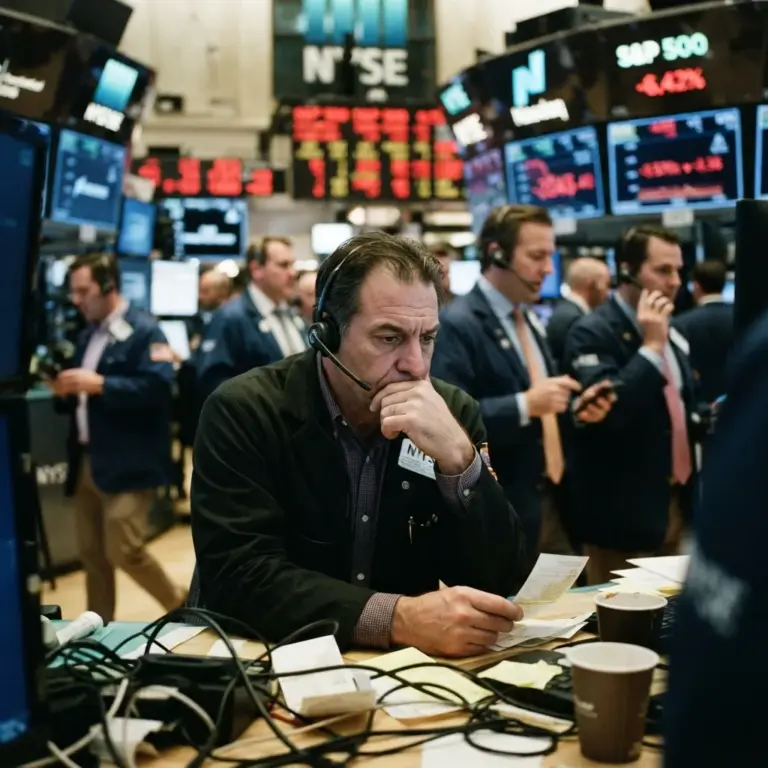
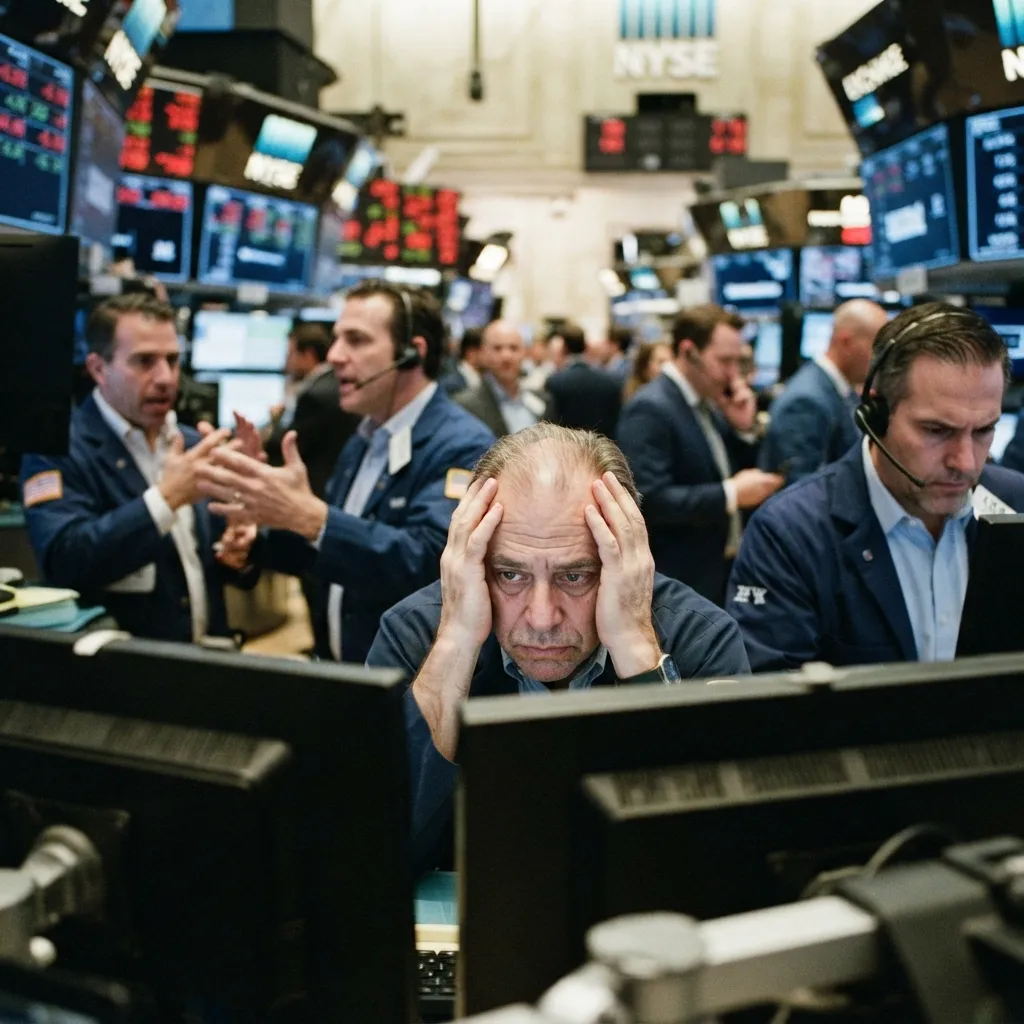
For years, the warnings were loud and persistent. Skeptics cautioned that the surge in artificial intelligence stocks was little more than a speculative bubble built on borrowed billions and unrealistic projections of future profit. For a long time, investors simply ignored the noise, watching share prices climb to dizzying heights despite valuations that mirrored the peaks of the dot com era and the crash of 1929. However, the mood shifted violently during the week ending November 20, as the major indices plummeted into deep correction territory. The Nasdaq took the hardest hit, sliding roughly 18 percent from its peak, while both the S&P 500 and Dow Jones dropped around 12 percent.
Unlike previous dips triggered by clear geopolitical shocks like wars or trade tariffs, this collapse feels different because there is no single smoking gun. Instead, a perfect storm of negative catalysts has converged simultaneously. Democratic victories in the midterm elections have brought renewed threats of crackdowns on energy hungry data centers, while a shocking leadership vacuum opened at Nvidia following the ouster of CEO Jensen Huang amid a scandal involving a suspected foreign spy. Adding to the pressure is an expected interest rate hike from the Federal Reserve in December, which threatens to increase borrowing costs for AI firms and diminish the present value of their distant future earnings.
Market strategists suggest that these individual events acted as triggers for a deeper, structural fragility. Many of these companies were priced to perfection, meaning any slight deviation from an ideal scenario would inevitably spark a selloff. While Nvidia reported strong financials recently, investors are now questioning whether its meteoric growth can actually be sustained under tighter regulatory scrutiny and without its longtime leader. The prevailing sense of boundless optimism that defined 2024 and 2025 has been replaced by a sudden, sharp pessimism regarding how much these tech giants are truly worth.
Despite the chaos, some analysts argue that this turbulence is a necessary cleansing process for an overheated market. By stripping away excess valuation through a healthy correction, stocks may eventually find a sustainable floor based on actual performance rather than hype. But unlike temporary political skirmishes, today’s headwinds feel permanent; interest rates rarely drop immediately after a hike and election results cannot be undone. Whether this is a temporary stumble or the final popping of the AI bubble remains to be seen, but for now, Wall Street is waking up to the reality that excitement alone cannot sustain a trillion dollar industry forever.