The sighting of a matte black Cybertruck cruising through the streets of Brooklyn once felt like a glitch in the matrix, a strange novelty sporting cryptocurrency slogans and promising a trip to the moon. For a brief window, these angular monoliths served as rolling billboards for a specific brand of techno-optimism. However, that dream has officially hit a wall. With sales stalling far below Elon Musk’s ambitious projections, Tesla is winding down production of the vehicle to pivot toward its next gamble, the autonomous Cybercab.
More than just a commercial failure, the Cybertruck emerged as the ultimate symbol of an era defined by paranoia and get-rich-quick schemes. Designed to satisfy the whims of one man, the truck looked less like a consumer product and more like a prop from a dystopian war movie. From its bulletproof panels meant to soothe fears of civil unrest to its jarring aesthetic tailored for fans of superhero cinema, it was a machine built for an anxious age. It attempted to bridge the gap between environmental concern and aggressive masculinity, resulting in something that pleased almost no one outside of a very narrow ideological circle.
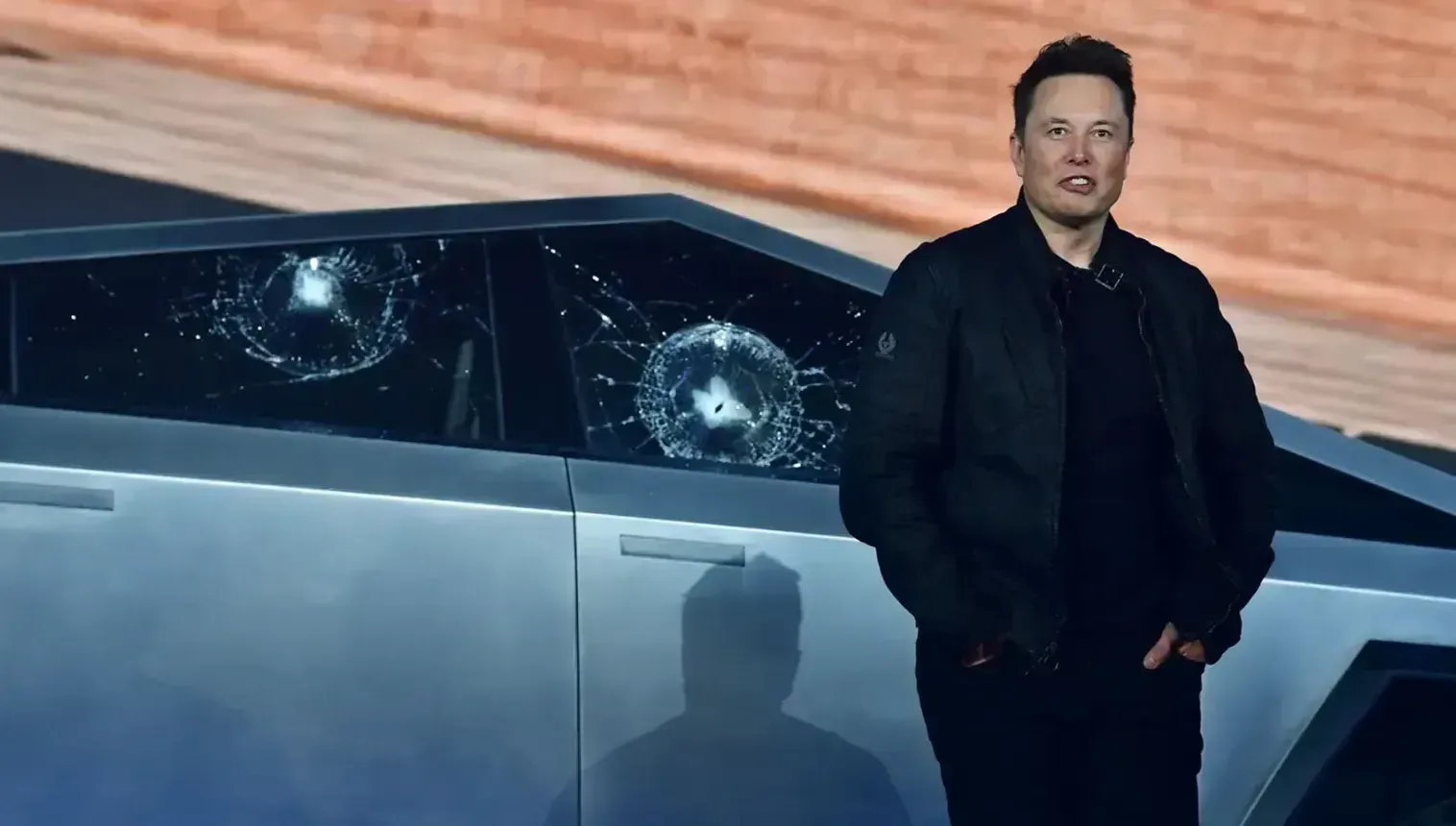
Beyond the symbolism, the actual hardware proved disastrous. Owners dealt with systemic software bugs and vehicles that famously ceased to function upon contact with water. Recalls plagued the fleet, while mechanics pointed to shoddy build quality and panels that simply fell off in cold weather. The promise of durability turned out to be largely theatrical; unless you were firing small calibers away from the glass, the armored fantasy rarely held up under real-world scrutiny.
As Musk shifted his focus toward high-stakes politics and governmental efficiency roles under the Trump administration, ownership of the truck became an involuntary political statement. While some buyers tried to distance themselves from their creator via ironic bumper stickers, others leaned into the controversy with patriotic wraps and right-wing decals. What began as an attempt at futuristic luxury ended as a social litmus test on wheels. Now that production is ending, we are left with several thousand awkward pieces of stainless steel serving as monuments to a period where hype mattered more than utility.