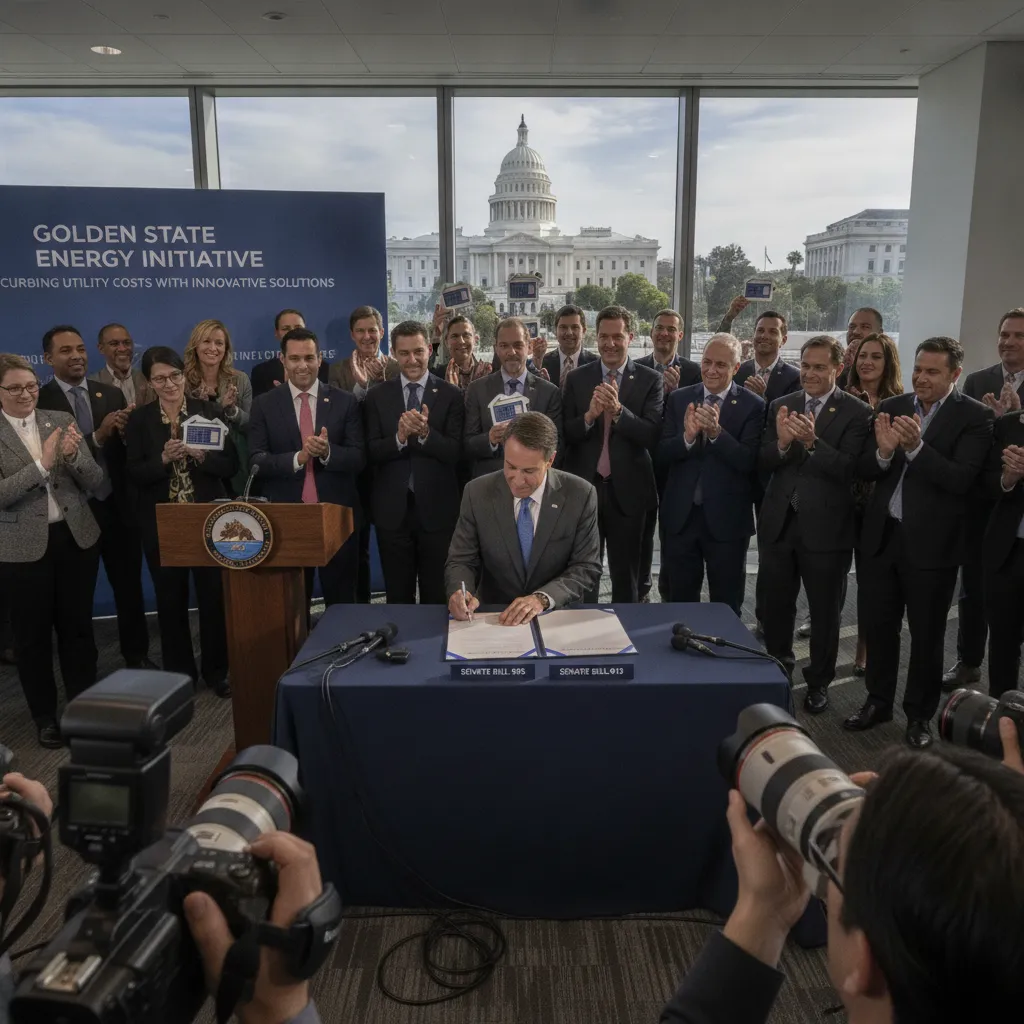
California is taking a significant step toward stabilizing skyrocketing electricity bills by embracing the concept of virtual power plants. Governor Gavin Newsom recently signed two key pieces of legislation, Senate Bills 905 and 913, which create a regulatory framework allowing distributed energy resources to be networked together. These laws essentially allow small scale batteries and solar installations across thousands of homes to act as a single, giant utility provider during peak demand periods.
Industry analysts believe this shift could provide a major tailwind for companies already embedded in the home energy ecosystem. While several firms like Sunrun and Enphase are positioned to gain, Tesla stands out as a primary winner due to its widespread deployment of Powerwall batteries. By coordinating these residential units into a cohesive grid service, Tesla can turn passive hardware owners into active participants in the state’s energy market.
Beyond the traditional solar players, other tech giants may find opportunities in this evolving landscape, including Alphabet’s spinoff Renew Home. The move represents a strategic pivot for California as it seeks to modernize an aging electrical grid while reducing reliance on expensive peaker plants. For consumers, the hope is that these decentralized networks will lower costs and prevent blackouts during heatwaves.