Law enforcement officials are sounding the alarm over a brutal surge in crimes known as wrenching, a term born from a dark joke about using physical force to extract passwords rather than attempting to hack secure accounts. What started as an internet meme has evolved into a terrifying reality for high net worth individuals, particularly in the Chicago area, where criminals are bypassing firewalls entirely in favor of guns and kidnapping. These targeted attacks represent a dangerous merger of traditional violent crime and cybercrime, turning private residences into hunting grounds for digital assets.
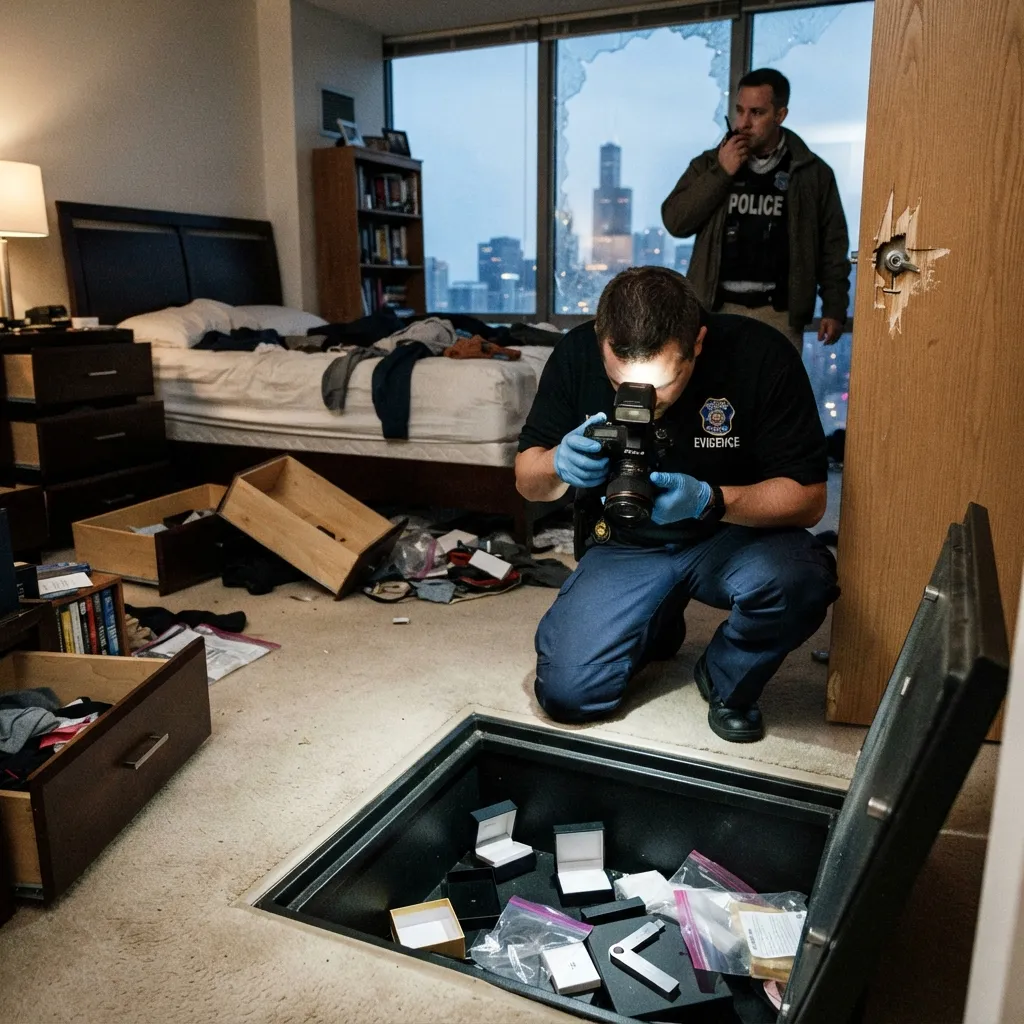
Recent horror stories highlight the brazen nature of these predators. In one instance, a family and their nanny were abducted from their Lincoln Park townhouse during broad daylight; they were only released after a staggering 15 million dollars in cryptocurrency was transferred to the captors. Another victim in Winnetka was terrorized in her own home by intruders posing as delivery drivers, who used violence and threats against her children to demand laptops and passcodes. Experts suggest these aren’t random robberies but calculated hits carried out by criminals who do extensive homework to identify targets with significant crypto holdings.
The appeal for criminals lies in the perceived anonymity of digital currency, though investigators note that the underlying blockchain serves as a public ledger that can eventually be traced. Despite this, the sheer volume of these attacks is climbing rapidly, with recent reports indicating a thirty three percent increase in wrenching incidents compared to last year. While millions have been stolen across countless unreported cases, agencies like the FBI are working with forensic accountants to track illicit movements and recover funds before thieves can offramp them into spendable cash.
To combat this trend, federal authorities are urging investors to maintain extreme discretion regarding their wealth. The primary advice is simple yet critical: do not advertise your holdings online or in social circles. For those seeking more technical safeguards, experts recommend distributing assets across multiple wallets and implementing time locks on transactions. However, agents warn that such delays could potentially incentivize kidnappers to hold victims captive longer while waiting for funds to clear. Victims are encouraged to contact both local police and the Internet Crime Complaint Center to ensure these specialized thefts are tracked accurately rather than dismissed as standard burglaries.