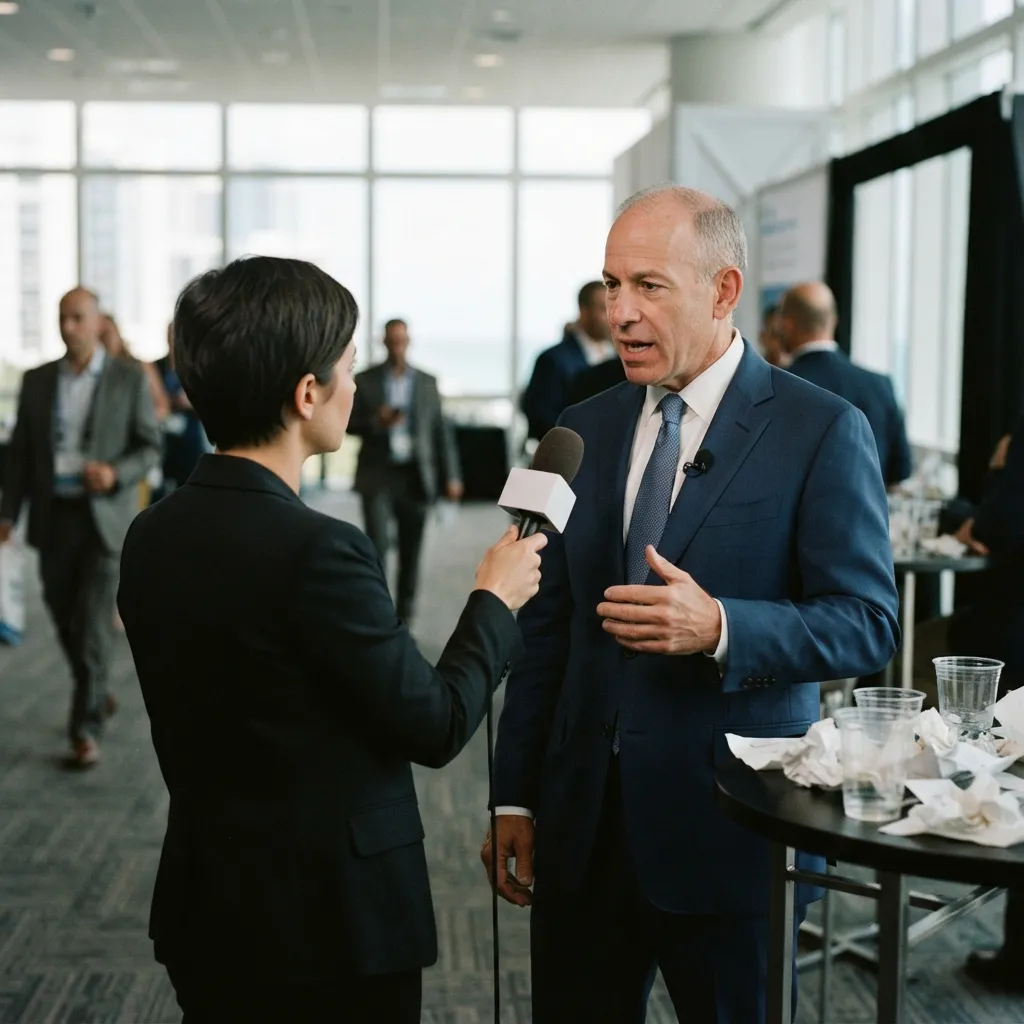
The Commodity Futures Trading Commission is witnessing a surprising surge in appetite from cryptocurrency exchanges eager to adopt its latest regulatory guidelines. Speaking with CNBC at the Cantor Convergence conference in Miami Beach, CFTC Chairman Michael Selig revealed that many major players are opting into the agency’s proposed rules to avoid the headache of navigating dozens of different state laws. This shift comes as new entrants increasingly prefer a single federal license over the fragmented landscape of regional regimes, signaling a pragmatic pivot toward centralized oversight.
This movement toward agency-led regulation follows the collapse of legislative hopes in Washington. The Clarity Act, which sought to create a comprehensive national framework for digital assets, failed to secure enough votes in the Senate this past September. With the path for new law blocked, both the CFTC and the SEC have stepped up to utilize their existing legal authorities to fill the void. Selig described these moves as critical steps to ensure that the United States maintains its status as a global hub for crypto innovation while simultaneously protecting consumers from market abuse.
While current sentiment seems positive among industry leaders, future political shifts may introduce fresh volatility. Selig acknowledged that he expects renewed scrutiny when Democrats regain control of Congress in 2027, though he maintained that he is prepared to answer any inquiries regarding his agency’s direction. He expressed a strong desire to prevent another exodus of American software developers moving overseas, hoping that recent lessons lead to a bipartisan approach that protects legitimate innovators while aggressively pursuing fraudulent actors.
Beyond general exchange registration, Selig is also locked in a high stakes battle over prediction markets. Facing pressure from Democratic senators who want those markets restricted, the chairman has remained defiant, arguing that such platforms fall under exclusive federal jurisdiction rather than state gambling laws. Selig indicated that he is prepared to take this jurisdictional fight all the way to the Supreme Court to protect exchanges from being targeted by individual states.