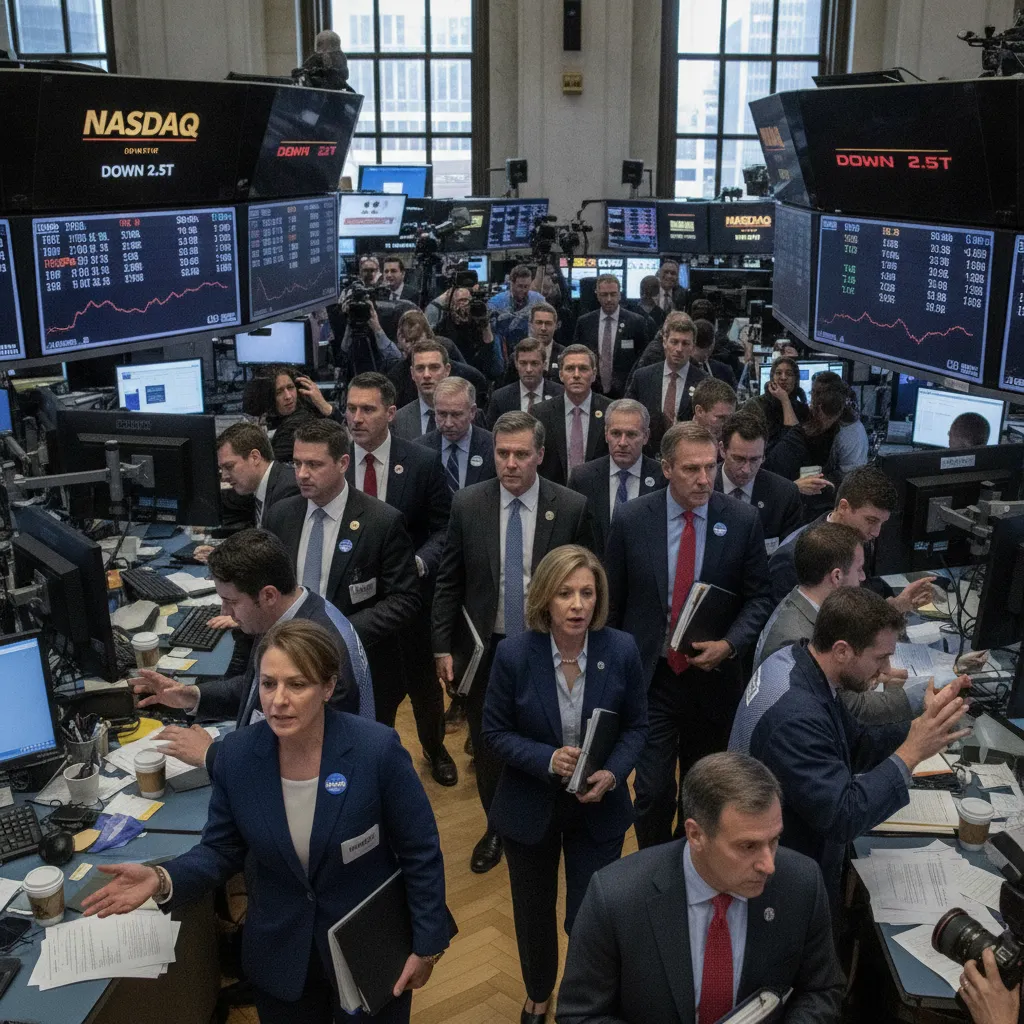
Global financial markets entered a period of turbulence this week as a significant political shift in the United States sent shockwaves through the technology sector. Following a decisive blue wave in the U.S. midterms that gave Democrats control of both the House and Senate, investors began to fear that new legislative priorities could stifle the breakneck pace of artificial intelligence investment. This anxiety sparked a massive selloff on Wall Street that wiped out roughly 2.5 trillion dollars in market value, creating a ripple effect that crashed indices across Asia and Europe.
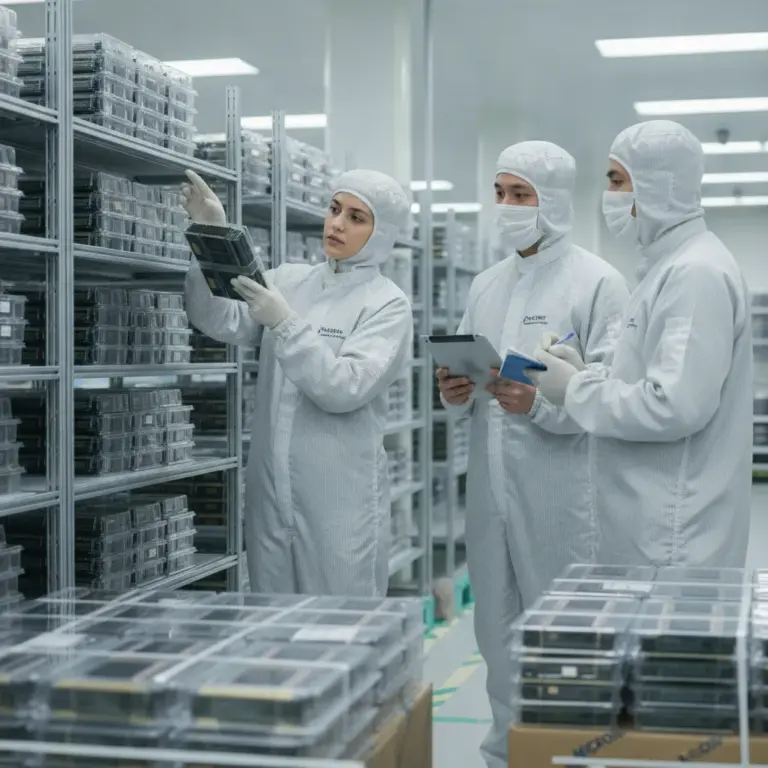
The fallout was felt most acutely in East Asia, where tech-heavy benchmarks plummeted as traders retreated from high-growth AI plays. South Korea’s Kospi and Japan’s Nikkei 225 both slid by 6 percent, while Taiwan’s Taiex dropped 4.5 percent. These regions are deeply integrated into the global hardware supply chain, providing the essential semiconductors and memory chips required for the massive data centers powering modern AI. With Democratic lawmakers potentially blocking or slowing infrastructure spending due to environmental and community concerns, shareholders worried that the primary engine of growth for these electronic giants could suddenly stall.
European markets mirrored this instability, with Germany’s DAX and France’s CAC 40 sliding alongside broader regional declines. While some heavyweight stocks like Nvidia showed signs of recovery during premarket trading, analysts suggest the current volatility reflects a necessary correction after a year of intense hype. Some experts believe the market is simply moderating itself after becoming overly optimistic about how quickly AI profits would materialize, noting that Asian tech stocks have become more tightly linked to American sentiment than ever before.
Despite the immediate panic, some strategists see a potential silver lining in the election results, suggesting a Democrat-led Congress might favor slower interest rate hikes to reduce borrowing costs for businesses. However, for many traders, the overarching theme remains uncertainty heading into January. As governments in Tokyo and Seoul scramble to stabilize their domestic markets, many institutional investors are choosing to move toward cash until it becomes clear how Washington’s new leadership will actually handle the intersection of big tech and public policy.